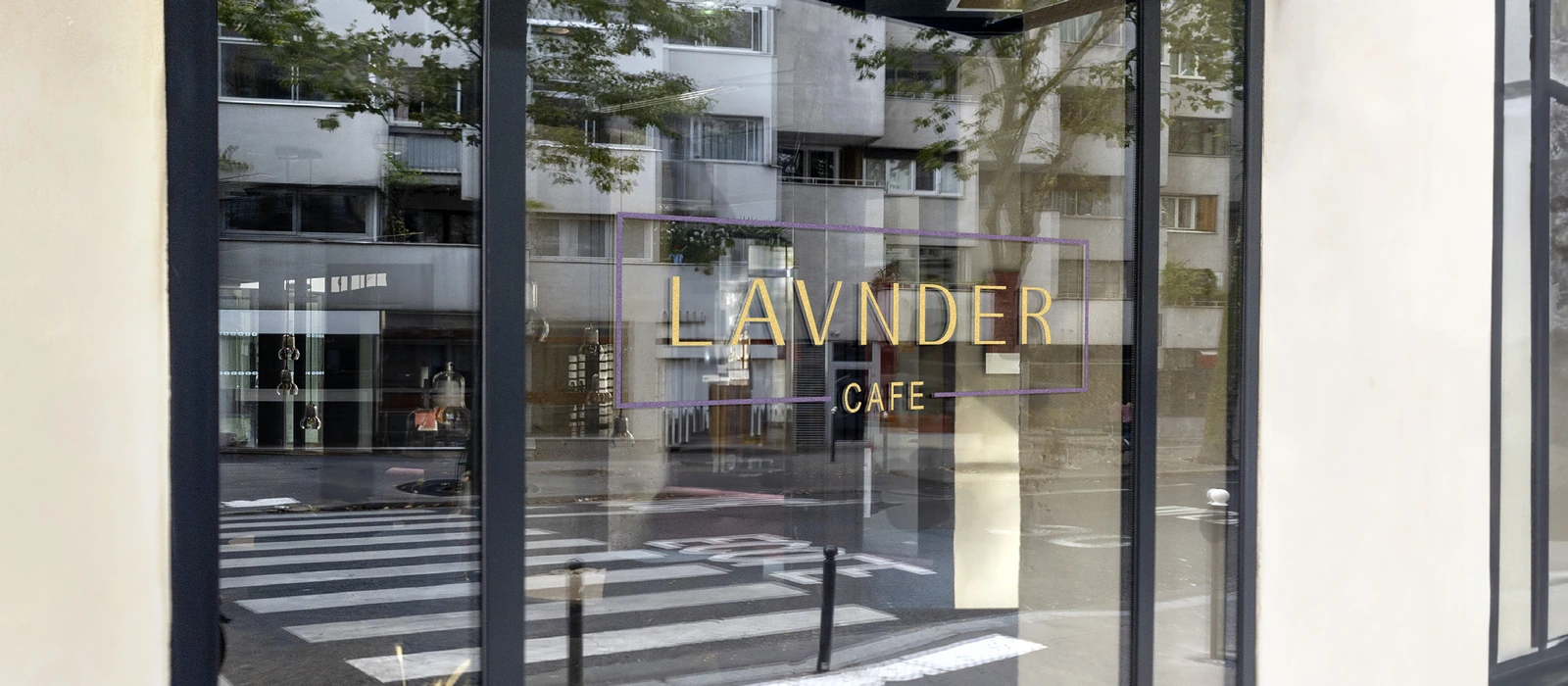
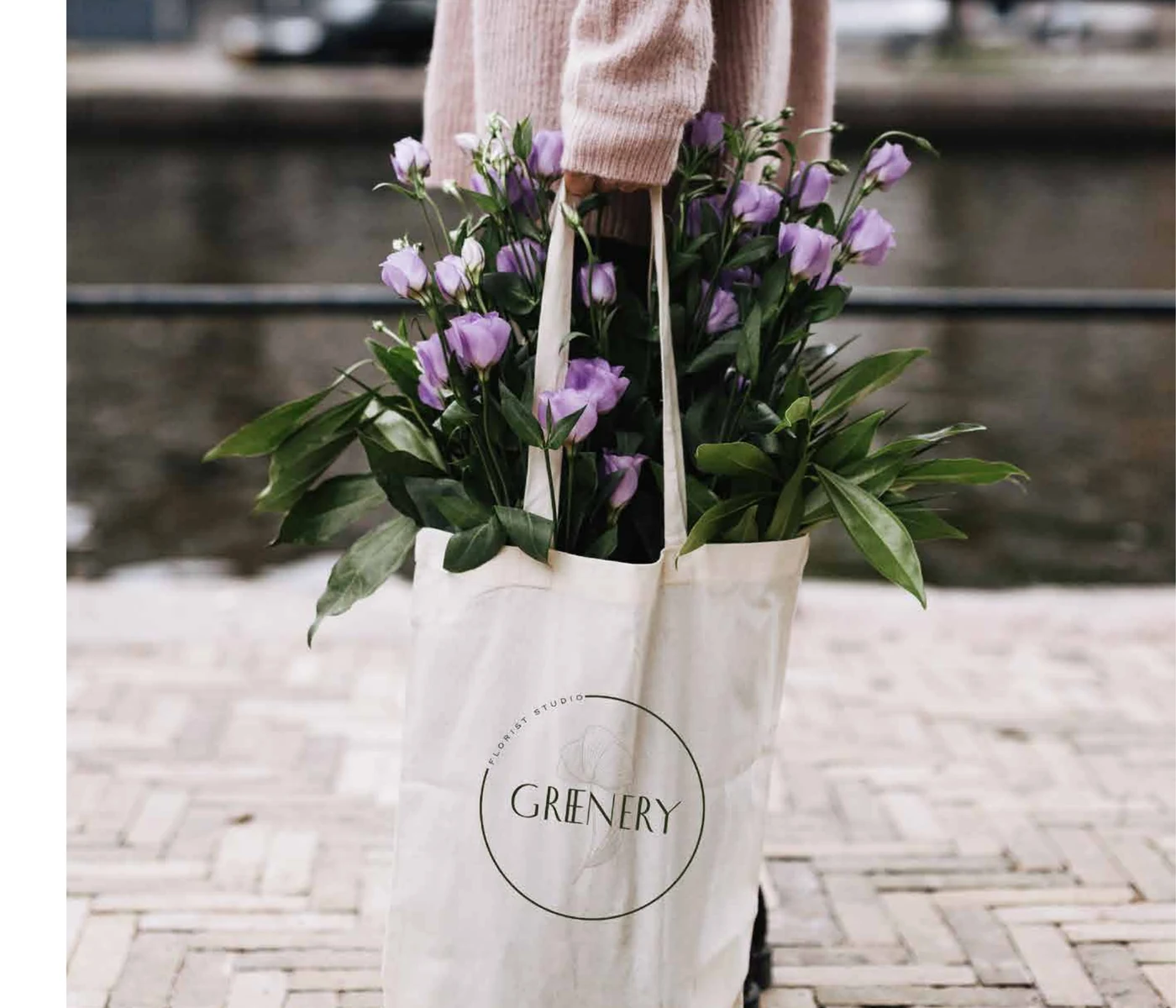
The identity turns the food, atmosphere and audience into a recognizable point of view.
Restaurant Branding
A restaurant brandguests can recognizebefore thefirst bite
Connect concept, atmosphere, menu and packaging in one practical identity built for daily hospitality operations.
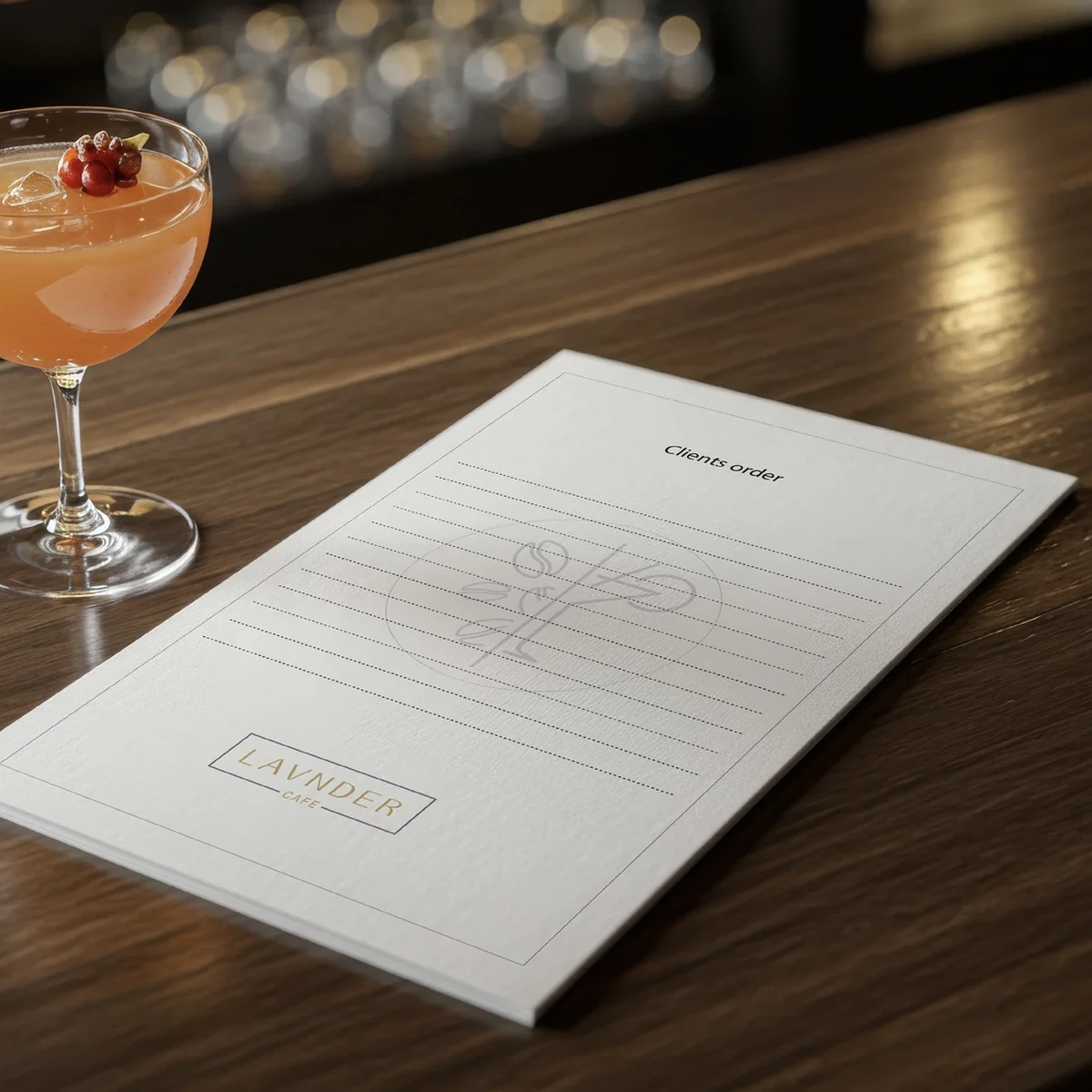
Menus, signs, packaging and digital materials share practical rules that staff and suppliers can use.
The brand arrives coherently across street, table, delivery app and social content.
Overview
Restaurant branding is an experience system, not a logo placed on a menu. Guests encounter the concept through the name, façade, booking page, menu language, table details, packaging, staff touchpoints and the way the food is photographed.
The design process translates the culinary and business concept into a practical visual identity. It accounts for daily menu changes, multilingual information, price updates, delivery formats and the different viewing distances of signage, menus and mobile screens.
Problems this service solves
- The space and food have personality, but the identity feels generic.
- Menu design is difficult to update or navigate.
- Takeaway packaging does not feel connected to the venue.
- Multiple suppliers reproduce the brand inconsistently.
- The launch materials look fragmented across channels.
- A second location needs consistency without feeling copied.
What is included
- Concept and audience discovery
- Restaurant visual identity system
- Logo, typography, colour and graphic language
- Menu hierarchy and adaptable templates
- Signage and wayfinding direction
- Takeaway and delivery packaging
- Opening and social launch assets
- Practical guidelines for staff and suppliers
How the work is developed
The most important touchpoints are prioritized according to the format: a bakery, coffee shop, fine-dining venue and delivery-first concept need different systems. Menu architecture is developed with realistic item names, descriptions and price patterns rather than generic placeholder copy.
Materials and print choices are considered in relation to durability, hygiene, update frequency, lighting and budget. The identity should be expressive without making daily operations harder.
Production, approval and handover
Menus and signs require accurate final dimensions, substrate specifications and supplier proofs. Packaging uses approved dielines, and food-contact or sustainability claims remain the responsibility of the client and relevant suppliers or specialists.
Editable menu templates can be prepared in an agreed application when frequent updates are expected, while more controlled master assets remain in professional design formats.
Frequently asked questions
Can you design only a restaurant logo?
A focused logo scope is possible, but a hospitality identity is usually more valuable when key touchpoints are developed together.
Do you design interiors?
No. The work covers brand direction and visual applications; collaboration with architects and interior designers is welcome.
Can staff update the menu?
Yes. An editable template can be included when the content and software requirements are agreed in advance.
Can the system cover takeaway and delivery?
Yes. Packaging and digital ordering touchpoints can be developed as part of the same visual system.
Experience
Related portfolio
evidence
Work from the supplied portfolio shows how this approach is applied in practice.