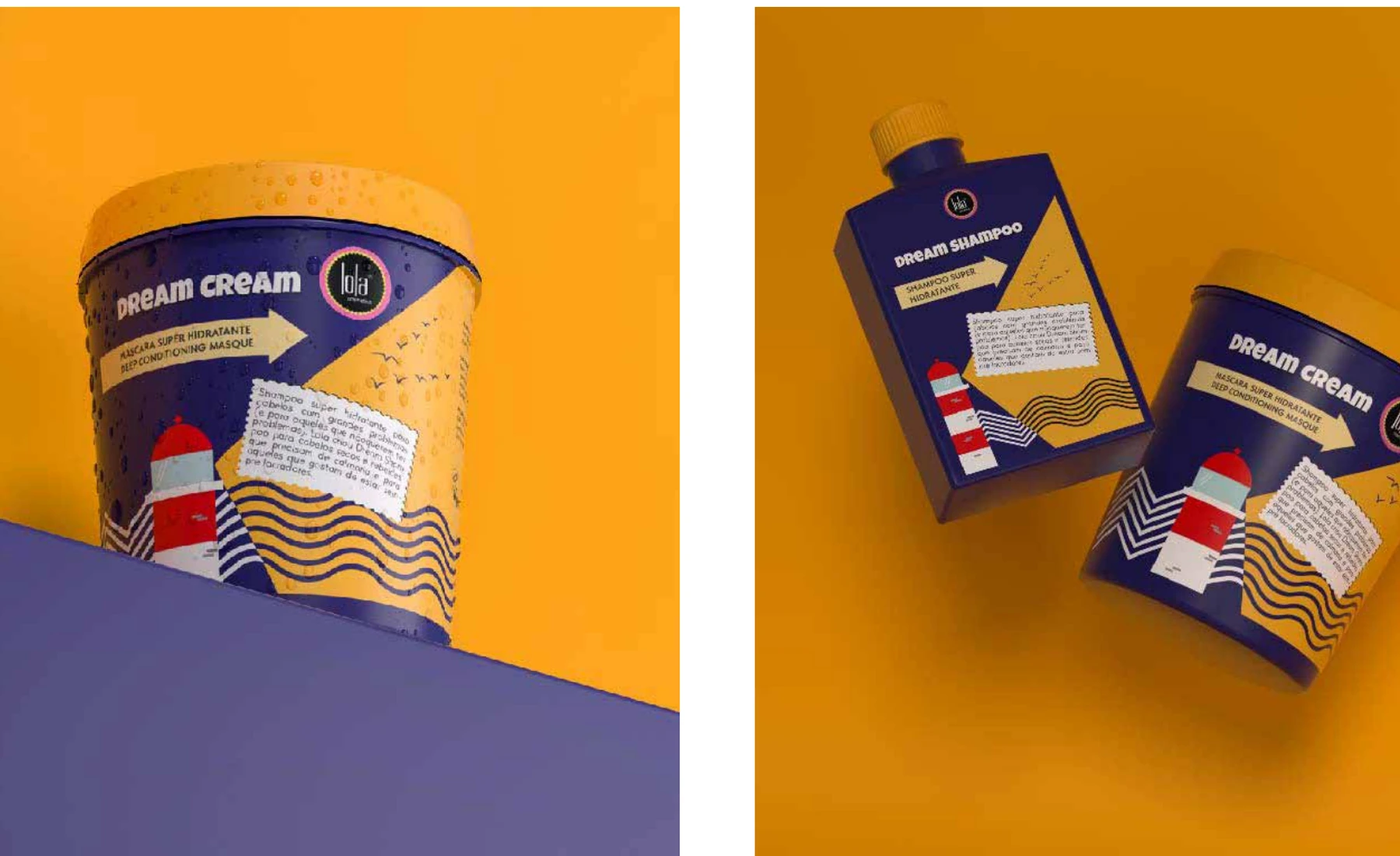
Hierarchy helps buyers understand the brand, product and variant in the right order.
Packaging design
Packaging that earns
attention and makes
choice easier.
Create a distinctive, scalable packaging system shaped around the product, buyer, shelf, e-commerce and production reality.
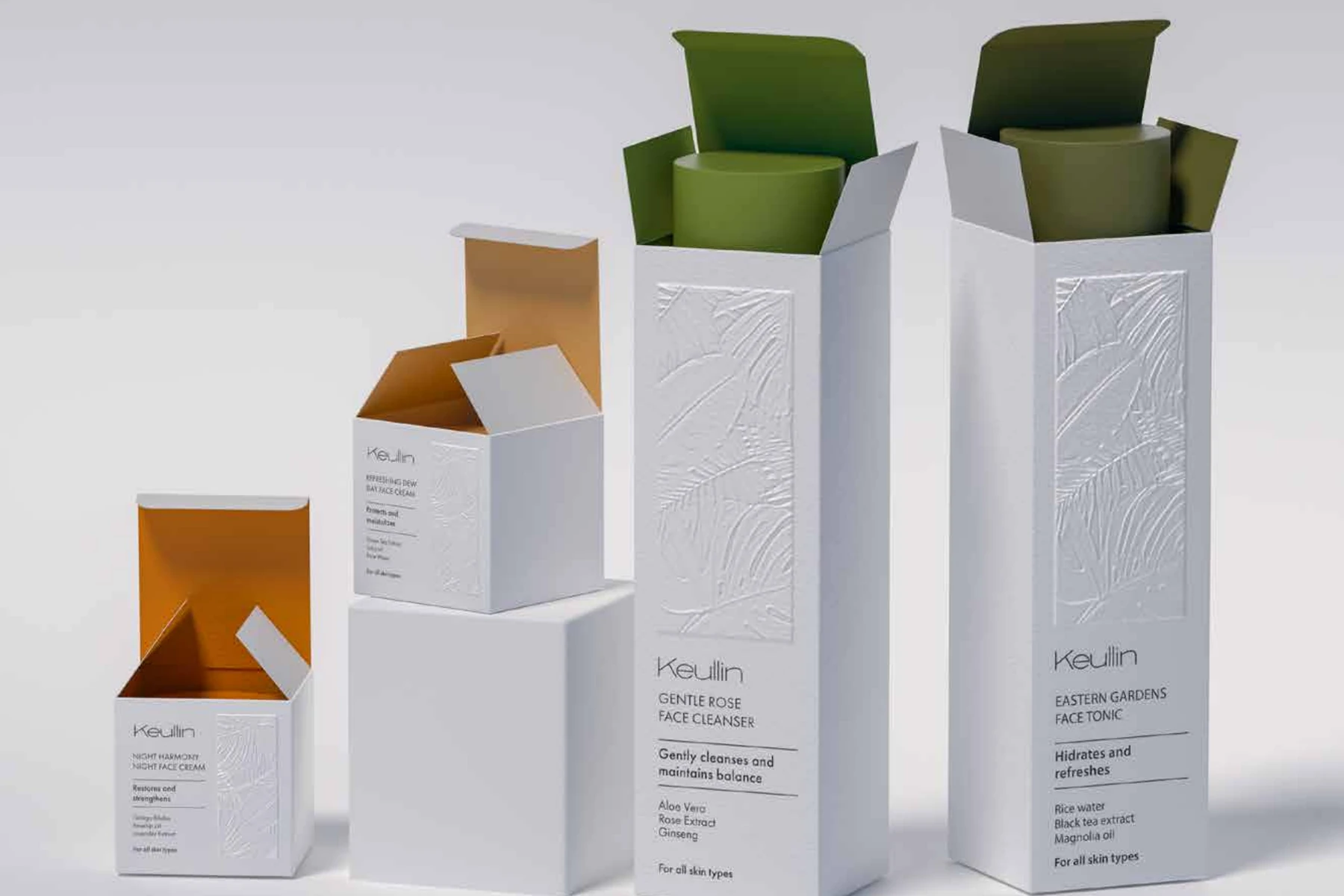
Rules make new flavours, sizes and categories easier to add without visual fragmentation.
Artwork is built around real dielines, print constraints and client-approved information.
Overview
Packaging has seconds to communicate in a crowded physical or digital environment. Effective design creates desire, but it also reduces uncertainty: what the product is, who it is for, how variants differ and why it belongs at its price point.
The work connects brand strategy, information hierarchy, structure and production. It can begin with an existing identity or include a new visual system. Design is developed on real or provisional dielines and evaluated as a range rather than as one perfect front panel.
Problems this
service solves
- The product looks generic beside established competitors.
- Important information competes instead of forming a clear reading order.
- Variants are either indistinguishable or feel like unrelated brands.
- The pack looks good in a mockup but fails on the real structure.
- Artwork has become inconsistent after repeated internal changes.
- E-commerce thumbnails do not communicate the product quickly enough.
What can
be included
- Category and competitor review
- Packaging strategy and creative direction
- Front, side and back-panel design
- Label, pouch, carton, bottle or secondary-packaging application
- Variant and SKU architecture
- Dieline artwork and production-ready files
- Print annotations and supplier coordination within agreed scope
- 3D renders for review, presentations and launch assets
How the work
is developed
Early concepts define the visual territory and hierarchy before every panel is polished. The selected route is then developed across representative SKUs to prove that the system can handle long names, different claims, colours and formats.
Copy, ingredients, claims, barcodes, nutrition, symbols and legal text must be supplied or approved by the client and relevant specialists. Design organizes that information; it does not replace regulatory review.
Production,
approval
and handover
Final artwork is prepared against supplier-approved dielines. Bleed, safety zones, overprint, colour modes, linked imagery and technical layers are checked according to the printer or converter specification provided for the project.
A digital render is not a physical proof. Material, ink, finishing and substrate decisions should be verified through supplier samples, proofs and production tests before a full print run.
Frequently
asked questions
How many concepts are presented?→
The scope normally includes a focused set of strategically distinct routes. The exact number is agreed before work begins.
Can you adapt one design across several SKUs?→
Yes. Range architecture and adaptations can be scoped by number of products, formats and complexity of information.
Do you check packaging regulations?→
The design is regulation-aware, but legal and regulatory approval must come from the client or a qualified specialist.
Experience
Related portfolio
evidence
Real portfolio work shows how this approach is applied in practice.