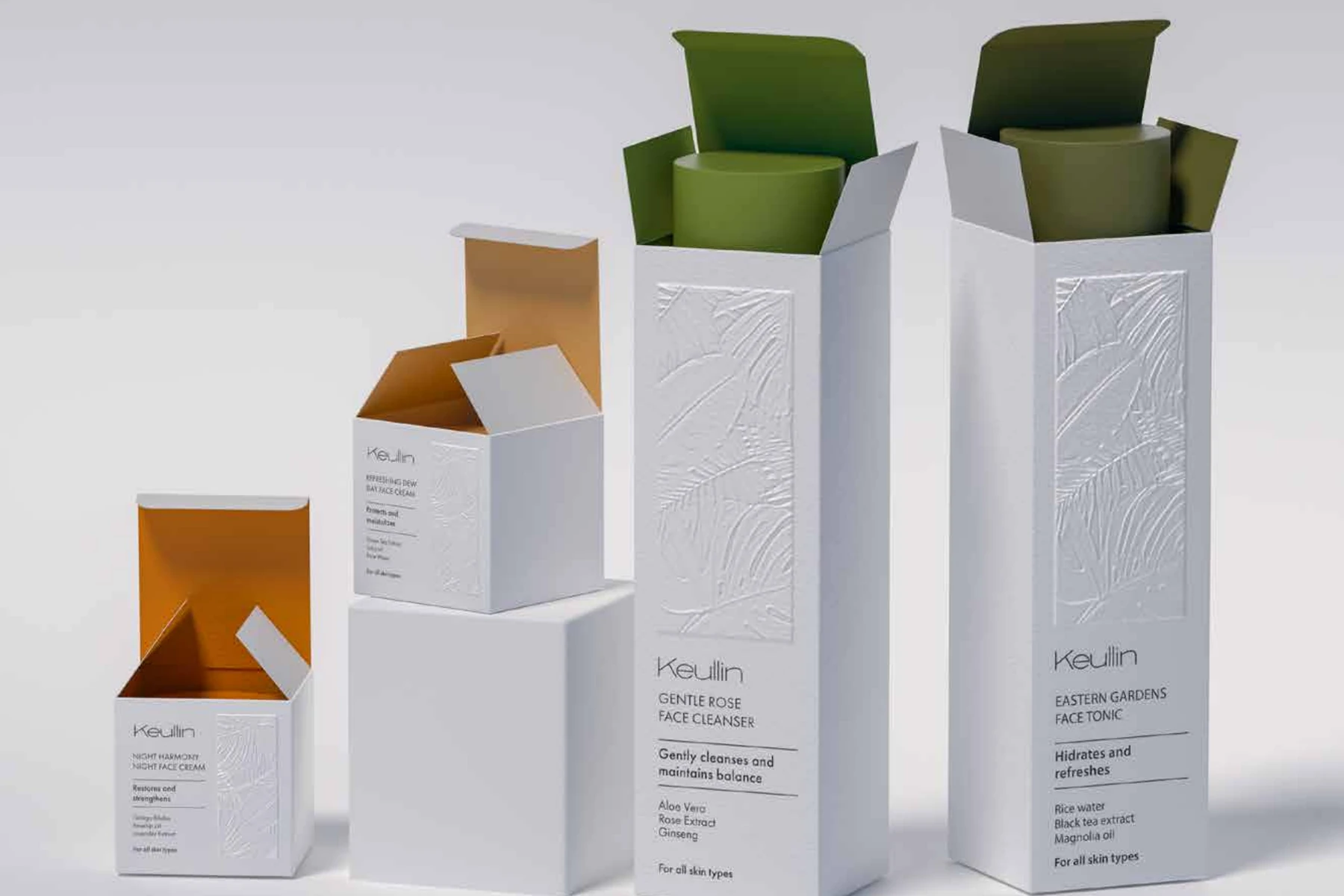
Useful brand equities are identified before change, reducing the risk of losing loyal buyers.
Packaging redesign
Keep the equity.
Remove the
friction.
A structured redesign protects what customers recognize while fixing the elements that weaken clarity, consistency or perceived value.
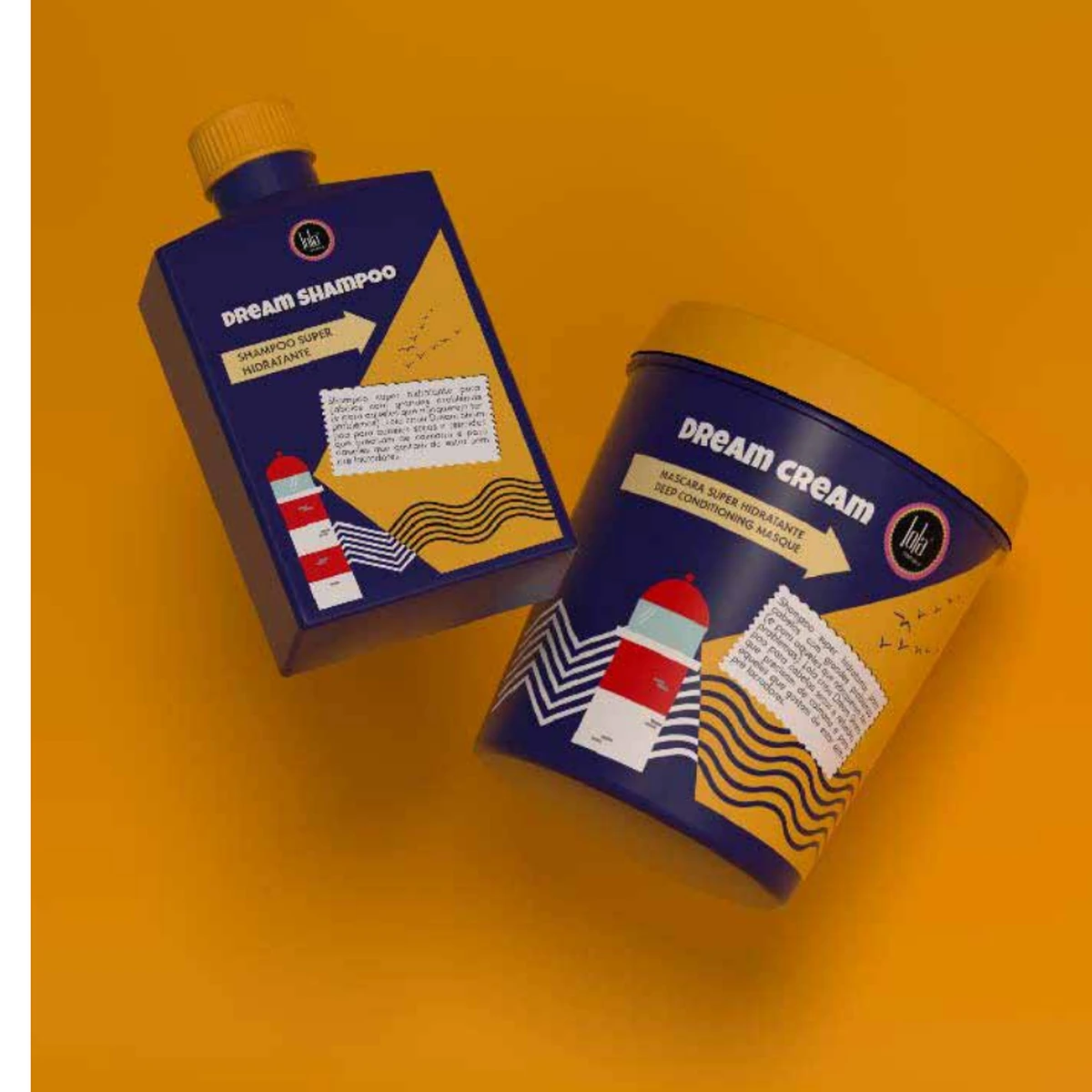
The project separates aesthetic preferences from real hierarchy, range and positioning problems.
Every visible shift is tied to a commercial, audience or operational objective.
Overview
A packaging redesign should not begin with “make it modern.” It begins by understanding what the current pack already owns: colours, shapes, names, symbols, structures or habits that customers use to find it. The goal may be evolution, stronger differentiation or complete repositioning - but the degree of change must be deliberate.
The audit reviews front-of-pack hierarchy, range logic, competitor context, production constraints, digital performance and inconsistencies accumulated over time. This creates a redesign brief that distinguishes what to retain, strengthen, simplify or replace.
Problems this
service solves
- The brand has become visually dated while the product and audience have evolved.
- New SKUs have broken the original system.
- The pack is difficult to navigate at shelf or thumbnail size.
- Premium pricing is not supported by perceived quality.
- A move into retail or a new market requires more disciplined communication.
- The team wants change but cannot agree how much change is safe.
What can
be included
- Current-pack and competitor audit
- Equity map: retain, strengthen, remove and introduce
- Recommended degree of change
- Redesign creative directions
- Rebuilt hierarchy and range system
- Priority SKU development and adaptations
- Before-and-after presentation for stakeholder alignment
- Updated print artwork and launch visualization
How the work
is developed
Where evidence is available, sales feedback, customer research, retailer comments and search behaviour can inform the diagnosis. When formal testing is outside scope, assumptions are clearly labelled rather than presented as facts.
Routes can range from evolutionary refinement to transformative change. Showing them in context makes trade-offs visible: familiarity versus disruption, category recognition versus differentiation, simplicity versus information needs.
Production,
approval
and handover
A phased rollout may be useful for large ranges. The system can be documented first, then adapted in controlled waves while legacy and new packaging coexist.
Old files are archived rather than overwritten, and transition details - barcodes, product codes, claims, dates and supplier changes - should be managed through an agreed approval process.
Frequently
asked questions
Will a redesign confuse existing customers?→
It can if recognizable equities are removed without reason. The audit identifies those equities and guides the appropriate level of change.
Can we redesign only the front panel?→
Sometimes, but hierarchy changes often affect side and back panels. The scope should reflect the complete customer and production experience.
Can you work with our existing printer?→
Yes. Supplier specifications and approved dielines can be integrated into the artwork workflow.
Experience
Related portfolio
evidence
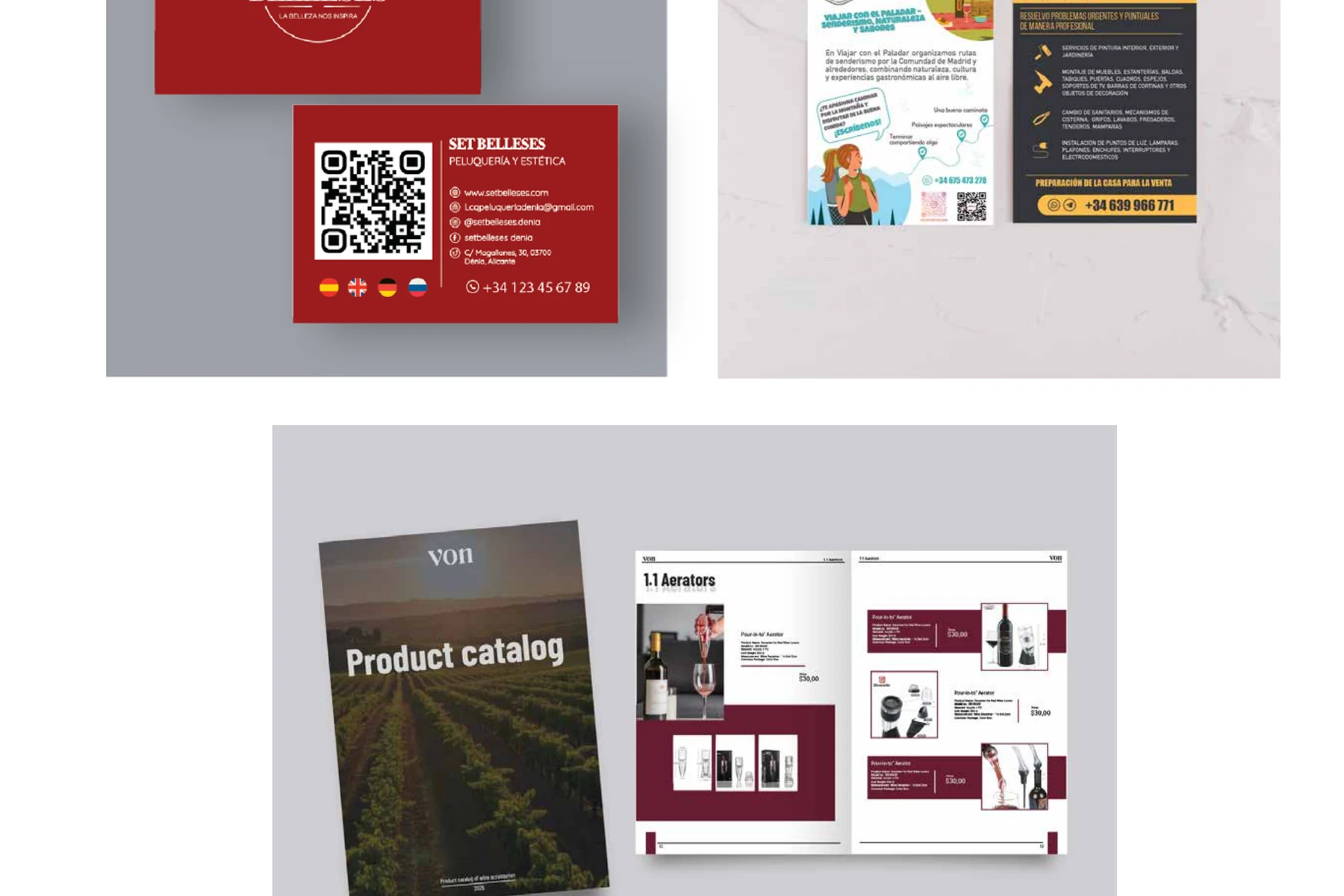
Portfolio work shows how a coherent visual direction can support a product range and its applications.