Visual appeal and product information support each other instead of competing.
Food Packaging Design
Food packagingdesigned forappetite, clarityand range growth
Turn positioning into an unmistakable shelf presence while organizing flavours, formats and required information with confidence.

Colour, naming and hierarchy help buyers compare flavour, format and product type.
Design considers mandatory content areas, substrate, print method and supplier dielines.
Overview
Food and beverage packaging must create appetite while helping a buyer make a fast, confident choice. Brand, product name, flavour, format, benefit and required information need a deliberate hierarchy that remains clear on shelf, in a delivery app and at thumbnail size.
The design can cover a new launch, a range extension or a complete redesign. Work begins with the buying context and competitive set, then develops a visual system that can handle the realities of multiple recipes, pack sizes and information densities.
Problems this service solves
- The range disappears into category conventions.
- Flavour coding changes randomly between products.
- The brand is visible, but the product type is not.
- Back-panel information is cramped or visually disconnected.
- A premium or natural position is not supported by the pack.
What is included
- Food-category and shelf review
- Brand and packaging creative direction
- Front-of-pack hierarchy
- Flavour and format coding system
- Label, carton, pouch, jar or bottle design
- Range architecture and SKU adaptations
- Client-approved information placement
- Print-ready artwork and product renders
How the work is developed
Design decisions are tested across representative products, including difficult variants with long names or additional claims. This prevents a system that works only for the hero SKU. Photography, illustration and ingredient cues are directed according to the desired appetite, provenance and price signal.
For products sold in the EU, the client must supply and approve mandatory food information, language versions, allergens, nutrition, claims and symbols with appropriate regulatory support. The designer creates hierarchy and legibility within the approved content.
Production, approval and handover
Supplier-approved dielines, minimum type sizes, print tolerances, barcode requirements and finishing limitations should be confirmed before final artwork. When a pack moves between materials or printers, artwork may need technical adaptation rather than a simple file transfer.
The EU Packaging and Packaging Waste Regulation creates a changing operational context for packaging. Any sustainability or compliance claim should be verified with qualified advisors and suppliers before publication.
Official context: EU mandatory food-information requirements should be reviewed using current European Commission guidance and qualified advice.
European Commission source ↗Frequently asked questions
Can you design a complete product range?
Yes. A range is usually developed through a core system and representative SKUs before full adaptation.
Do you write nutrition or legal copy?
No. The client supplies and approves mandatory information and claims. Copywriting can be coordinated separately for marketing language.
Can you prepare files for several printers?
Yes, when each supplier provides approved technical specifications and dielines.
Will I receive editable files?
Yes. Final master files and agreed editable production assets are organized for handover.
Experience
Related portfolio
evidence
LAVNDER CAFÉ →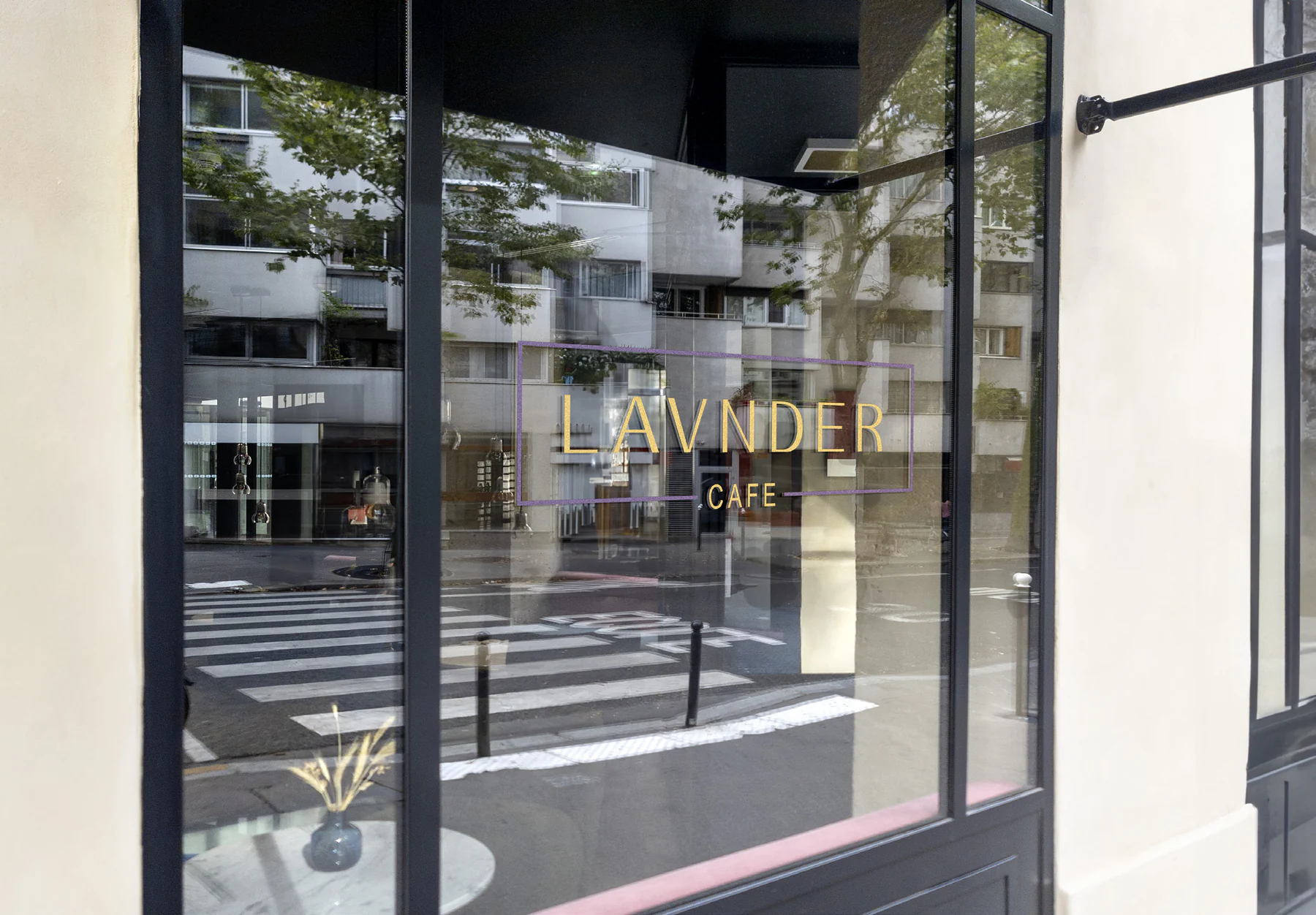 Café Branding · PackagingSelected Portfolio Project
Work from the supplied portfolio shows how this approach is applied in practice.